Modern Synthesis: The Company Growing the Future of Materials
Inside the London biotechnology startup turning bacteria into fashion materials, and attempting something far more difficult than growing a shoe: changing the economics of textile manufacturing.
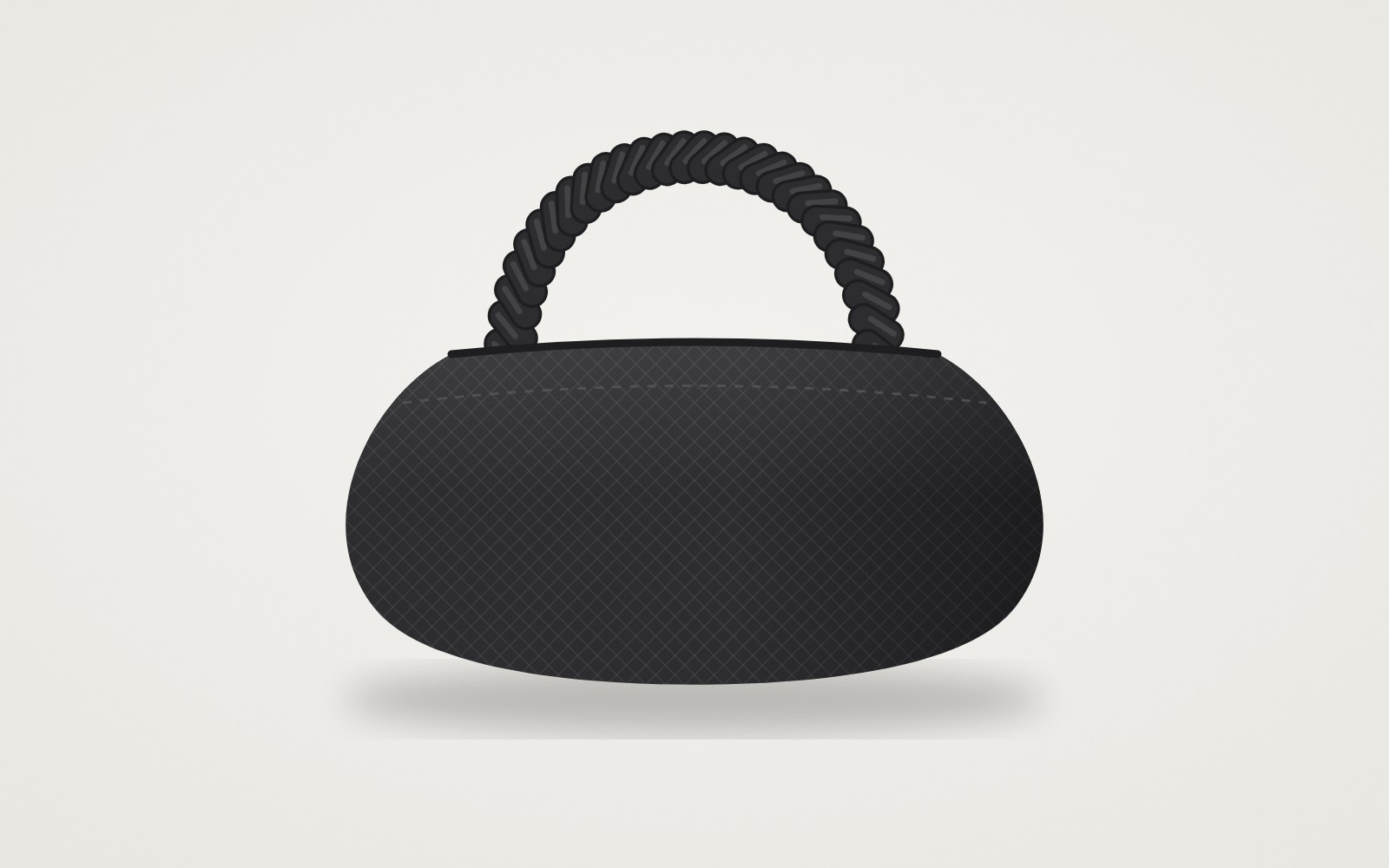
In September 2023, visitors to London Design Festival encountered a rather unusual version of GANNI’s signature Bou Bag. At first glance, the black handbag looked like an ordinary luxury accessory, complete with its sculptural silhouette, braided handle and recognisable branding. But its most remarkable feature was invisible. The material from which it was constructed had been developed using bacteria. Not bacteria as a decorative experiment, nor a novelty ingredient added to an otherwise conventional fabric, but microorganisms capable of producing an incredibly fine network of cellulose fibres. The result was a leather-like textile created through a process that began not with an animal hide or petroleum-derived polymers, but with biological fermentation. Behind the project was Modern Synthesis, a London biotechnology startup founded by designer Jen Keane and bioengineer Dr Ben Reeve. Their ambition was considerably larger than producing an unusual handbag. They wanted to demonstrate that some of the materials upon which modern manufacturing depends could be redesigned from the molecular level upward.
The idea arrives at a particularly interesting moment for the fashion industry. Brands have spent years announcing sustainability commitments, experimenting with recycled fibres and introducing alternatives to conventional leather. Yet the fundamental materials underpinning global production have changed remarkably little. According to Textile Exchange’s Materials Market Report 2026, global fibre production reached approximately 139 million tonnes in 2025, an increase of seven million tonnes in just one year. Polyester alone accounted for 59% of production, with 82.5 million tonnes manufactured worldwide. Almost 88% of that polyester was virgin fossil-based material. Meanwhile, less than 1% of global fibre production came from textile-to-textile recycling. The figures expose an uncomfortable contradiction: even as fashion companies promise to reduce their environmental footprints, the industry continues producing more material, with growth still heavily dependent on fossil-derived inputs. The problem is not simply finding better ways to recycle existing textiles. It is reconsidering what those textiles are made from in the first place.
This is the commercial opportunity that Modern Synthesis is pursuing. Rather than designing and selling clothing under its own label, the startup develops materials that other businesses can incorporate into their products. Its technology combines bacterial nanocellulose with advanced material science to create flexible, durable, bio-based textiles and coatings, including alternatives to leather-like fabrics and petroleum-derived textile finishes. The company has collaborated with GANNI, BEEN London and other material innovators, secured approximately $11 million in seed funding, and begun testing its technology with industrial manufacturing partners. But perhaps its most important decision has been to move away from the visually spectacular idea of growing an entire product with bacteria and toward something less theatrical, but potentially more commercially important: creating a material technology that can operate within the manufacturing infrastructure the industry already uses.
The Shoe That Started Everything
Modern Synthesis began with an experiment that looked more like an art installation than the foundation of a biotechnology company. During her master’s studies at Central Saint Martins, Jen Keane developed This Is Grown, a project exploring whether textiles could be constructed through collaboration with living organisms. Keane had previously worked in material design at Adidas and Nike, experiences that exposed her to the complexity of industrial product development and the environmental consequences of conventional material choices. Rather than treating biological materials as imperfect substitutes for familiar fabrics, she became interested in whether biology might offer entirely new ways of manufacturing them. Her question was deceptively simple: if living organisms are already capable of producing exceptionally sophisticated materials, why not allow them to participate directly in the manufacturing process?
The resulting project involved creating the upper of a shoe using bacterial nanocellulose grown around a carefully arranged yarn structure. Certain bacteria naturally produce cellulose fibres as they metabolise sugars. By controlling the environment and providing a textile scaffold, Keane investigated whether these organisms could deposit material in a predetermined form. Instead of weaving a finished textile from conventional fibres and subsequently cutting it into the shape of a shoe, the process encouraged biological material to develop around the desired structure. The experiment was an early demonstration of what she described as microbial weaving, a manufacturing concept in which a living organism becomes part of the production process. The outcome was visually compelling: a shoe whose structure emerged through the interaction of human design and bacterial activity.
Crucially, the project required expertise beyond fashion design. While developing This Is Grown, Keane worked with scientists from Imperial College London, including Dr Ben Reeve, who had studied bacterial cellulose production and synthetic biology. Reeve had also helped build Puraffinity, a company developing technology to remove contaminants from water. His experience in biological engineering complemented Keane’s knowledge of textile design, materials and the practical requirements of fashion products. The collaboration eventually developed into Modern Synthesis, incorporated in London in 2019. The company’s founding combination was unusual but strategically sensible: it brought together someone who understood what materials needed to do commercially and someone who understood how biological systems might produce them.
The distinction matters because scientific invention and product development are not the same activity. A scientist may succeed in producing an intriguing new substance, but that does not mean a manufacturer can work with it, a designer can use it, or a consumer will want to buy the resulting product. Materials must satisfy several requirements simultaneously, including strength, flexibility, texture, durability, colour consistency, affordability and compatibility with industrial processing. Modern Synthesis was built around the recognition that scientific and commercial requirements must be considered together. The company’s original innovation was not simply using bacteria to grow fibres. It was treating biological manufacturing as a design problem from the beginning.
How Can Bacteria Become Fabric?
The biological foundation of Modern Synthesis’ technology is cellulose, one of the most abundant natural polymers on Earth. Cellulose gives structure to plants and is the principal component of familiar materials such as cotton and wood. However, cellulose can also be produced by certain microorganisms. Modern Synthesis works with a bacterial species called Komagataeibacter rhaeticus, which synthesises exceptionally fine cellulose fibres during fermentation. As the bacteria consume nutrients, they release cellulose that assembles into an intricate network of nanoscale fibrils. The individual fibres are extremely small, but their organisation produces a material with useful mechanical properties, including high tensile strength.
Bacterial nanocellulose has attracted scientific attention for decades, including for potential applications in wound dressings, medical devices, filtration and advanced composites. Its appeal arises partly from its structure. Whereas conventional plant-derived cellulose often requires processing to separate it from other biological components, bacterial cellulose can be produced as a comparatively pure network of fibres. The nanoscale architecture also provides a large surface area and opportunities to modify the material’s mechanical behaviour. However, bacterial cellulose is not automatically a commercially useful textile. In its untreated form, it can be highly water-sensitive, and drying or processing can substantially influence its flexibility and texture. Turning it into a durable handbag material requires considerably more than allowing microorganisms to grow.
This is where Modern Synthesis’ proprietary material engineering becomes important. In its early microbial weaving process, the bacteria deposited cellulose directly around a yarn scaffold. The company subsequently developed a more industrially adaptable approach that separates the process into distinct stages. First, bacterial nanocellulose is produced through fermentation. Next, the company modifies and organises the resulting nanostructures to obtain desired properties, including flexibility, strength and texture. Finally, the engineered cellulose is combined with conventional bio-based textiles or other ingredients to produce materials suitable for different applications. Natural substrates such as hemp, linen and lyocell can provide structural reinforcement, while proprietary formulations help create the appearance and performance required by designers.
This shift is enormously significant. Modern Synthesis has moved from demonstrating that bacteria can grow a product to developing a repeatable process for turning bacterial cellulose into an industrial material. The two achievements are related, but their commercial implications are very different. Growing a shoe provides a compelling visual demonstration of biotechnology. Producing consistent rolls or panels of coated textile that manufacturers can cut, sew, fold and process using established equipment is much closer to something the global textile industry can buy.
The company’s approach also offers considerable versatility. By modifying the composition and structure of the material, Modern Synthesis can produce outcomes ranging from flexible, drapable textiles to thicker leather-like surfaces and translucent films. Its website describes applications extending from bio-based coating resins to finished composite materials. In other words, it is not necessarily developing one alternative leather product. It is building a technological platform capable of producing a family of materials with different properties. That distinction creates potentially larger commercial opportunities because fashion designers, automotive manufacturers and industrial customers have different requirements. A material suitable for a structured handbag may not be appropriate for upholstery, while a coating designed for a decorative textile may need different properties from one used in footwear.
The company also identifies predictive intelligence and machine learning as parts of its development process, using computational methods to simulate and optimise material variations. This does not make Modern Synthesis primarily an artificial intelligence company. Rather, computational optimisation can support the more traditional disciplines of biology, chemistry and materials engineering. The commercial promise lies in being able to design material characteristics more deliberately, reducing some of the experimentation required to achieve specific results. Public disclosures do not establish the architecture of the company’s models or quantify how much its machine-learning capabilities improve production efficiency. Nevertheless, their inclusion reflects a broader evolution in materials science: the properties of a fabric are becoming increasingly something engineers attempt to design, rather than simply discover.
The Problem With Vegan Leather
To understand Modern Synthesis’ potential market, it is important to examine the materials it hopes to replace. Fashion brands increasingly market products as vegan leather, a category that sounds environmentally progressive but reveals remarkably little about what a material actually contains. Historically, many leather alternatives have been made using polyurethane or polyvinyl chloride coatings applied to a textile base. These materials can reproduce certain aesthetic characteristics of animal leather without using animal hides, but they remain dependent on synthetic polymers, often derived from fossil fuels. They may also present difficulties at the end of their useful lives, particularly when different materials are bonded together in ways that complicate separation and recycling.
Animal leather presents a different set of trade-offs. It is associated with animal agriculture, land use and processing chemicals, yet high-quality leather can be exceptionally durable, repairable and desirable. Its environmental footprint varies considerably according to production methods and how impacts are allocated between hides and other products of the livestock industry. Some newer alternatives eliminate animal inputs but require plastic binders or coatings to achieve adequate performance. Others may avoid fossil-based ingredients but struggle with durability, flexibility or manufacturing consistency. As a result, replacing leather is not a straightforward contest between a harmful conventional material and a universally superior alternative. It involves evaluating several environmental and functional characteristics simultaneously.
Modern Synthesis is attempting to address some of these compromises through material composition and structure. Its undyed bio-based materials are described as free from petrochemical ingredients, with bacterial nanocellulose and other naturally derived components providing the relevant mechanical properties. Rather than relying on conventional plastic coatings to create a leather-like surface, the company uses its proprietary formulation to obtain the necessary strength, flexibility and appearance. This approach is especially relevant for coated textiles, a category much broader than luxury handbags. Similar material systems appear in footwear, accessories, upholstery and numerous industrial applications.
The company’s differentiation becomes more interesting when viewed this way. A fashion brand may initially approach Modern Synthesis because it wants a leather alternative, but the underlying technology could potentially replace fossil-derived coatings in products that would never ordinarily be described as leather goods. This creates an opportunity to address the material composition of existing products rather than depending entirely on consumers adopting unfamiliar new categories.
However, sustainability claims require careful interpretation. A material being bio-based does not automatically mean that producing it uses less energy or water, that it will biodegrade in every environment, or that its entire lifecycle is environmentally preferable to conventional alternatives. Fermentation requires nutrients, equipment and processing, while drying, finishing and other manufacturing steps consume resources. The conditions under which a finished composite breaks down may also differ from those under which pure cellulose biodegrades. Modern Synthesis emphasises natural ingredients and end-of-life considerations, but publicly available information does not provide enough independently verified lifecycle data to establish precise environmental savings across its whole product range.
Its environmental case is promising, but the strongest scientific claim is not that every material it makes is automatically sustainable. It is that advanced material performance may be achievable without the same dependence on petrochemical components. Demonstrating the full environmental advantage will require application-specific testing, transparency and reliable comparisons at commercial scale.
GANNI: Turning a Laboratory Material Into Something People Actually Want
Modern Synthesis’ collaboration with GANNI provides one of the clearest examples of how a deep-tech company can use an established consumer brand to explore commercial demand. Unveiled during London Design Festival in September 2023, the bacteria-derived Bou Bag was developed through GANNI’s Fabrics of the Future initiative, which supports experimentation with materials intended to reduce the fashion industry’s environmental impact. The partnership placed Modern Synthesis’ nanocellulose technology within an immediately recognisable product rather than presenting it as a laboratory sample. This distinction was important. Consumers rarely purchase molecular structures or manufacturing processes. They purchase handbags, shoes and clothing whose appeal depends on design, functionality and emotional attachment.
The Bou Bag provided a demanding but useful test. Its recognisable shape and construction meant the experimental material had to accommodate the design requirements of an established product. The resulting prototype showed how bacterial nanocellulose could be used to create a premium-looking leather alternative, while allowing both organisations to investigate its workability and aesthetic potential. The collaboration also created a highly effective communication opportunity. A headline about a company growing bacteria in a laboratory might interest a relatively specialised audience; a designer handbag made with bacteria can attract fashion consumers, journalists, investors and potential manufacturing partners simultaneously.
There is a particularly interesting business strategy behind this type of collaboration. Young materials companies face a familiar commercialisation problem: brands hesitate to adopt materials that have not been tested in real products, while manufacturers hesitate to invest in new production capacity without evidence of demand. Working with a recognisable fashion brand helps address both uncertainties. GANNI provides a product concept, design expertise, visibility and insight into the performance standards of commercial accessories. Modern Synthesis contributes its material technology and gains feedback about what must improve before broader adoption becomes possible. The partnership functions as a product-development experiment, a market-validation exercise and a marketing campaign at the same time.
Yet the collaboration also exposes the distance between publicity and commercial success. When the Bou Bag concept was unveiled in 2023, the companies announced an ambition to make it commercially available by early 2025. That target was still being discussed in reporting surrounding Modern Synthesis’ February 2025 funding announcement. As of October 2026, however, we could not verify a general retail launch of the specific Modern Synthesis material version of the bag. The company’s website continues to present the collaboration as a showcase, while its public information about commercial availability remains focused on forthcoming projects and partnerships. This does not demonstrate that the collaboration failed, but it is an important reminder that a product prototype, however convincing, is not equivalent to a commercially scaled launch.
For Novum, this distinction is particularly revealing. High-profile brand collaborations can attract attention and establish credibility, but successful commercialisation ultimately requires a repeatable manufacturing process, reliable supply and economics that justify continued production. A luxury brand might willingly produce a limited prototype at substantial expense. Manufacturing thousands of products to consistent specifications introduces a different challenge entirely. Modern Synthesis’ real test is not whether its material can appear in a beautiful handbag. It is whether a brand can keep ordering it, manufacturing with it and selling it commercially.
From GANNI to BEEN London: Testing the Manufacturing Process
Modern Synthesis’ collaboration with BEEN London offers another perspective on how materials innovations move toward commercial reality. BEEN is a London-based circular design studio that works with emerging material developers, testing how unfamiliar textiles behave under manufacturing conditions. In 2025, the companies developed accessory prototypes, including a medium tote and other bag designs, using Modern Synthesis’ nanocellulose-based materials. The work explored how the material could accommodate different constructions, appearances and finishes. These experiments may appear less spectacular than a major fashion brand unveiling a single iconic product, but they address essential questions about industrial adoption.
BEEN’s approach includes testing whether new materials can be cut, stitched, pressed and handled using familiar production methods. Such investigations matter because novel materials frequently behave differently from established fabrics. A material might have excellent tensile strength but perform poorly when repeatedly folded, for example, or it might be attractive as a large flat sheet but difficult to sew consistently. Manufacturers also need to understand whether a material can withstand the heat, pressure and mechanical stress imposed during production. A designer may love how a new fabric looks, yet a factory can reject it if it creates unacceptable rates of defects or requires expensive modifications to existing equipment.
The BEEN London collaboration therefore represents a different form of technological validation. GANNI demonstrates a material’s desirability within a recognisable fashion product. BEEN helps investigate its compatibility with the processes through which such products are manufactured. Both are valuable, but they solve different problems. One builds consumer and brand interest; the other moves closer to reducing the practical uncertainty facing manufacturers. On its own, neither establishes commercial-scale production, and BEEN presents its materials collaborations primarily as innovation showcases and prototypes. Nevertheless, the partnership structure shows how Modern Synthesis is assembling expertise from across the value chain rather than attempting to build every capability independently.
Another example arrived in June 2025 through the Korvaa Consortium, a collaboration involving Modern Synthesis, Ecovative and Ourobio. The companies developed a concept shoe using a combination of biological materials: bacterial nanocellulose for parts of the upper, mycelium for the sole, and bio-based polyhydroxyalkanoates for structural components. Cotton and lyocell completed the material composition. Instead of forcing one biomaterial to perform every function, the collaborators selected materials according to their different properties. The resulting shoe was a demonstration project, not proof of a mass-produced commercial footwear line, but it introduced an important idea: the future of biological manufacturing may involve combinations of specialised materials supplied by different companies.
This creates an opportunity for Modern Synthesis beyond its immediate product range. Its success may depend on becoming a reliable component of a larger biomaterials supply chain rather than trying to replace the entire supply chain itself. If footwear manufacturers can combine nanocellulose-based textiles with bio-derived structural components and other alternatives, the market for specialised material suppliers could become substantially more diverse. The challenge will be ensuring that these innovations work together at the standards and costs required by industrial production.
The Strategic Pivot: Why Growing a Shoe Wasn’t Enough
Perhaps the most important development in Modern Synthesis’ history is also the least visually dramatic. The company has gradually separated the production of bacterial nanocellulose from the process of turning it into finished textiles. During its original experiments, the material was grown directly around a textile scaffold, creating an almost literal example of microorganisms manufacturing an object. This approach produced striking results, but it also connected the biological growth process closely to the final product’s geometry and structure. As the company considered broader applications, a more modular approach became attractive.
By 2025, Modern Synthesis described a production method organised into three stages: fermentation, nanostructure modification and textile integration. Bacterial cellulose can be produced separately before being processed into the desired material form. This allows the biological production stage to be considered independently from the textile manufacturing stage, potentially making each part easier to optimise. It also provides an opportunity to use established sources of bacterial nanocellulose production and concentrate investment on the company’s specialised transformation process.
Jen Keane explained the strategic distinction in a February 2025 interview with AgFunderNews. Producing bacterial nanocellulose itself was not the company’s principal intellectual-property advantage. Its expertise lay in modifying the nanostructures and converting the biological material into useful, high-value textile products. This is an important insight because it clarifies where Modern Synthesis expects to capture economic value. The fermentation process produces an important input, but the proprietary transformation and material engineering process determines whether that input can become a premium handbag textile, a transparent coating or another commercially useful product.
The shift also addresses one of the central difficulties of capital-intensive biotechnology. Building entirely new manufacturing infrastructure is expensive, particularly when the technology has not yet demonstrated consistent market demand. A startup attempting to scale fermentation, develop proprietary textile machinery, manufacture finished fabrics and establish relationships with fashion brands would face multiple capital requirements simultaneously. By separating these functions, Modern Synthesis can attempt to use industrial capabilities that already exist. It has emphasised compatibility with standard textile manufacturing equipment and the development of supply-chain partnerships as central components of its approach.
In strategic terms, Modern Synthesis is choosing adaptation over replacement. It does not need to persuade textile manufacturers to abandon decades of investment in equipment and processes. Instead, it can try to offer a material formulation that fits into familiar production systems while delivering different environmental or performance characteristics.
This is a form of innovation that often receives less attention than the original scientific breakthrough but may be more decisive commercially. New technologies rarely enter established industries simply because they are better in the laboratory. They must work within the economic structures, equipment requirements, professional expertise and relationships that already govern production. Modern Synthesis’ evolution suggests that its founders recognise that successful biotechnology businesses must solve organisational and industrial problems alongside scientific ones.
The Commercial Model: Selling Materials, Not Handbags
Modern Synthesis is fundamentally a business-to-business company. Its target customers and partners include fashion brands, material manufacturers and potentially businesses in other industries requiring coated textiles or flexible composite materials. Unlike a consumer fashion label, it does not need to build a globally recognised retail brand to generate demand. Instead, it must persuade organisations that its materials offer sufficient aesthetic, functional or environmental advantages to justify incorporating them into existing product lines.
The company’s commercial positioning reflects two connected relationships. With brands, it can identify desirable applications, performance requirements and potential product categories. With manufacturers, it can investigate how its bio-based materials can be integrated into existing production processes. This dual approach is particularly important because the buyer who wants a new material may not be the organisation that ultimately manufactures it. A fashion brand might specify a material for a collection, while an independent textile producer or specialised finishing company is responsible for processing it. Modern Synthesis therefore has to satisfy commercial decision-makers and technical production teams, whose incentives are not always identical.
The company has publicly described a platform capable of producing finished composite materials as well as bio-based coating systems and resins. This creates several possible routes to revenue. It may sell engineered materials through supply relationships, collaborate with manufacturers developing new textile offerings, or eventually establish additional licensing and production partnerships. However, its detailed contractual arrangements, customer pricing and revenue mix have not been publicly disclosed. It would therefore be premature to claim that Modern Synthesis has already built a substantial licensing business or a commercially proven manufacturing platform. What is clear is that the company wants its technology to be incorporated into other businesses’ products and industrial processes rather than monetised primarily through direct consumer sales.
Its initial focus on premium fashion also makes strategic sense. Developing novel materials is expensive, especially while production volumes remain small. Luxury and premium brands may have greater flexibility to absorb higher material costs when a product offers distinct design characteristics, sustainability benefits or brand differentiation. An unusual new material can also contribute to the exclusivity and storytelling associated with higher-priced accessories. This provides an opportunity to begin with customers for whom material innovation creates commercial value beyond its basic physical function.
But success in luxury fashion alone would not necessarily deliver the scale required for substantial environmental impact. The larger opportunity lies in expanding toward more widely used textile categories and potentially applications beyond fashion. Automotive interiors, upholstery and technical materials all rely on coatings and composite structures, although each introduces new performance standards and commercial requirements. If Modern Synthesis can make its technology compatible with established manufacturing infrastructure, it may eventually be able to serve markets where volumes are significantly greater than those of limited-edition designer products.
The commercial ambition is therefore not to sell a few expensive bacteria-derived bags. It is to make the underlying material technology valuable enough that other companies choose to use it repeatedly.
Eleven Million Dollars and the Economics of Scaling
In February 2025, Modern Synthesis announced that it had raised $5.5 million in an oversubscribed funding round led by Extantia Capital, with participation from Artesian and Collaborative Fund. The investment followed earlier fundraising, including a $4.1 million seed round announced in 2022. The company currently reports approximately $11 million in total seed funding, with investors including AgFunder, Acequia Capital, Petri Bio and Parley for the Oceans.
The stated purpose of the 2025 financing was to expand production at the company’s pilot facility and begin serving more brands on its waiting list. This offers an important indication of where the business stood in its commercial development. Modern Synthesis was not raising capital exclusively to establish the scientific feasibility of bacterial cellulose, which was already well understood. It was investing in the less glamorous but essential infrastructure required to transform experimental materials into reproducible commercial output.
At the beginning of 2025, the company reported that its pilot manufacturing equipment had been installed and that the first large panels of material had come off its production line. It had also begun external technical trials with manufacturing partners. These developments marked progress beyond laboratory-scale demonstrations, although a pilot facility is not equivalent to a fully commercial industrial manufacturing operation. Pilot production allows companies to examine consistency, processing efficiency, material quality and technical constraints under conditions closer to real manufacturing. It also generates information needed to estimate the costs and risks of further expansion.
The financial challenge facing companies such as Modern Synthesis is fundamentally different from that of software startups. A software company may be able to distribute the same product to millions of additional customers with relatively limited incremental manufacturing expenditure. A materials business must produce more physical material as demand increases, secure inputs, manage equipment and maintain quality. Even if its technology becomes highly scalable, there will still be production costs, logistics requirements and working-capital needs associated with supplying customers.
Economies of scale may reduce costs over time, but achieving them is not automatic. Larger production volumes can improve equipment utilisation and purchasing efficiency, yet industrial processes may also reveal problems absent in small experiments. Material quality can vary between production runs, equipment may require modification, and small inefficiencies can become expensive when repeated at scale. Biological inputs introduce additional variables related to fermentation, while fashion manufacturers require reliable colour, texture and mechanical performance across orders.
This makes Modern Synthesis’ capital allocation particularly important. The company must determine which activities genuinely require proprietary investment and which can be performed by existing partners. Developing specialised formulations and material engineering processes may create defensible intellectual property. Building a complete global network of textile factories would require a very different level of investment. By concentrating on its core technological advantages and seeking compatibility with existing manufacturing systems, the company may be attempting to limit the amount of capital required for commercial expansion.
The company’s financial performance is not publicly established. Modern Synthesis has not disclosed sufficient figures for revenue, production capacity, gross margins, customer acquisition costs or the average selling price of its materials to evaluate whether it has achieved attractive unit economics. Its fundraising and reported waiting list indicate investor confidence and potential customer interest, but neither establishes profitable production. The decisive financial milestone will be turning technically successful material trials into repeatable purchases at prices that support sustainable margins.
A Competitive Market Full of Beautiful Failures
Modern Synthesis is entering a market that has attracted considerable scientific enthusiasm and investor capital, but also experienced notable disappointments. Companies such as MycoWorks and Ecovative have developed materials from fungal mycelium, while other innovators use plant-derived ingredients, agricultural by-products or advanced biopolymers to create alternatives to conventional leather and coated textiles. Natural Fiber Welding’s MIRUM, for example, has pursued plastic-free material formulations using natural ingredients. These companies approach the problem through different technologies, but they compete for overlapping opportunities: brands seeking materials that offer strong performance, appealing aesthetics and environmental improvements.
Perhaps the clearest warning comes from Bolt Threads, the biotechnology company behind Mylo, a mycelium-based leather alternative that attracted attention through collaborations with Stella McCartney, Adidas, Lululemon and Kering. Despite its prestigious partners and significant technological development, the company paused Mylo production in 2023 after encountering difficulties securing the funding required to scale manufacturing. The setback illustrated a fundamental weakness in the commercialisation of advanced materials. A technology can attract exceptional publicity, receive support from major brands and demonstrate promising products while still failing to achieve financially viable production.
The episode matters because it challenges one of the most common assumptions surrounding sustainable innovation: that once demand exists for a better material, commercial success will naturally follow. Fashion brands may be enthusiastic about new technologies, but that enthusiasm does not always translate into purchase volumes large enough to finance industrial production. Brands operate within cost constraints and seasonal product cycles, while manufacturers need consistent specifications and predictable orders. A novel material may offer environmental advantages but still struggle if it is substantially more expensive, difficult to process or unavailable in sufficient quantities.
Modern Synthesis’ strategy can be understood partly as an attempt to avoid these difficulties. Its emphasis on standard manufacturing processes, modular production and material formulations compatible with existing equipment is commercially significant precisely because industrial scale has defeated other promising innovators. Rather than relying solely on the novelty of biofabrication, the company is attempting to minimise the changes required from its customers and manufacturing partners.
The competitive environment also suggests that scientific innovation alone may not create a lasting advantage. Other companies can develop alternative biological materials, and established chemical and textile producers may introduce their own bio-based coatings. Modern Synthesis must therefore establish advantages through material performance, intellectual property, manufacturing partnerships and commercial relationships. The company has patent applications covering nanocellulose-based hybrid materials and their preparation, including a European patent application published in February 2026 and a corresponding US application published in September 2026. These filings demonstrate an effort to protect its technological approach, although publication of a pending patent application does not mean that all the claimed rights have been granted.
The broader strategic question is whether Modern Synthesis can make its technology sufficiently valuable and difficult to replace once a manufacturer has incorporated it into production. If it supplies a material that improves appearance, performance and sustainability while working reliably on existing equipment, its relationships could deepen over time. If competing materials offer similar characteristics at lower prices, however, differentiation may become difficult. The company does not simply need to invent an excellent material. It needs to become an excellent materials supplier.
Regulation, Sustainability and a Changing Industrial Environment
Government policy is becoming an increasingly important influence on the economics of textile production. The European Union has introduced measures intended to improve product durability, recyclability and resource efficiency through its Ecodesign for Sustainable Products Regulation. On 19 July 2026, a ban on destroying unsold clothing, clothing accessories and footwear entered into application for large companies operating in the EU, subject to specified exceptions. The legislation reflects growing pressure to reduce waste and address the environmental consequences of production systems that generate substantial quantities of unsold goods.
These regulatory developments do not directly require brands to purchase Modern Synthesis’ materials. Nor does replacing a conventional coating solve the industry’s overproduction problem. However, the broader direction of policy creates an environment in which manufacturers may face stronger incentives to examine material composition, product durability and end-of-life performance. Brands preparing for future requirements may find value in working with material suppliers capable of reducing dependence on certain fossil-derived inputs, particularly if alternatives can be integrated without substantial capital expenditure.
Modern Synthesis is positioning itself within this transition. Its messaging increasingly emphasises collaboration with manufacturers, compatibility with industrial production and materials designed to avoid problematic petrochemical ingredients. In March 2025, it received Positive Luxury’s Butterfly Mark certification, becoming, according to the company, the first material supplier to receive the recognition. The certification involves an independent assessment of environmental, social, governance and innovation practices. While such recognition can support credibility with luxury industry customers, it is not equivalent to a full comparative lifecycle assessment demonstrating that every Modern Synthesis product has lower environmental impacts than its conventional alternatives.
This distinction will become increasingly important as sustainable-material markets mature. Brands may initially adopt a new material because it is novel and aligns with broad sustainability ambitions. Over time, however, procurement teams and regulators are likely to demand more rigorous evidence, including verified material composition, emissions data, durability testing and end-of-life information. A technology marketed as biodegradable must also be evaluated according to the actual conditions required for degradation. A material that breaks down under controlled industrial conditions may behave very differently in a landfill or natural environment.
The opportunity for Modern Synthesis is to move beyond attractive sustainability narratives toward materials with measurable benefits. In principle, reducing dependence on petrochemical coatings could contribute to lower fossil-resource use and potentially support different end-of-life pathways. Yet the magnitude of those benefits will depend on fermentation inputs, energy use, processing efficiency, transport, product lifespan and final disposal. A successful environmental claim therefore requires the same discipline as a successful commercial product: reliable evidence that the material performs as promised.
As sustainability becomes a measurable industrial requirement rather than a marketing preference, the companies capable of demonstrating both material performance and environmental credibility may be better positioned to win long-term contracts.
Why the Real Customer May Be a Factory, Not a Fashion Brand
One of the most interesting changes in Modern Synthesis’ commercial positioning is its growing emphasis on manufacturers rather than exclusively on fashion labels. Its current website directly addresses industrial supply-chain partners, inviting them to collaborate on bringing bio-based materials to market. This reflects a crucial reality of the textile industry: fashion brands influence which materials are selected, but manufacturing companies determine whether those materials can be produced consistently and economically.
A fabric manufacturer evaluating Modern Synthesis’ technology will ask questions that differ substantially from those of a fashion designer. Can the coating be applied using existing equipment? Does the material behave consistently at industrial processing speeds? How sensitive is the process to variations in temperature, pressure or substrate composition? Can production meet the necessary quality standards without increasing rejection rates? And perhaps most importantly, will the finished material generate enough demand and margin to justify changes in sourcing and operating procedures?
By designing materials for compatibility with established machinery, Modern Synthesis attempts to reduce the practical and financial barriers associated with adoption. This strategy resembles the approach taken by other technology companies entering highly established industrial markets. Instead of asking customers to abandon their existing systems, they offer a component that can be incorporated into current operations. The technical innovation may be substantial, but the commercial proposition is intentionally conservative: manufacturers should be able to gain new capabilities without rebuilding their production lines.
There is also a distribution advantage. A single textile manufacturer may supply numerous brands, allowing a material innovation adopted at the manufacturing level to reach several downstream customers. This could potentially enable Modern Synthesis to expand without negotiating a separate, highly customised production arrangement with every fashion house. However, manufacturing partnerships would also introduce dependencies around pricing, quality control, technical implementation and ownership of customer relationships. The precise structure of these relationships will therefore matter enormously as the company scales.
A further opportunity lies in supplying multiple formulations rather than a single standardised product. Different manufacturers may require coatings with distinct textures, flexibility or appearance. Modern Synthesis’ ability to modify nanocellulose structures and combine them with other bio-based ingredients could allow it to serve several markets through a shared technological foundation. Nevertheless, extensive customisation can be expensive. The company will need to balance flexibility with standardisation, ensuring that the ability to produce many materials does not prevent efficient production of any one of them.
This creates a commercial tension familiar to many deep-tech businesses. Early customers often require considerable technical support, but a scalable company cannot necessarily provide unlimited bespoke research for every order. The long-term opportunity is to develop sufficiently standardised material systems that can be adapted to different applications without recreating the entire development process. Modern Synthesis’ transition from a design-focused biotechnology startup into an industrial materials platform will depend partly on how successfully it manages that balance.
The Next Frontier: Beyond Fashion
Although fashion provides Modern Synthesis with a visually compelling starting point, the potential applications of advanced bio-based coatings extend considerably further. Upholstery, automotive interiors, accessories and other flexible surfaces may benefit from materials that offer attractive textures and useful mechanical performance without relying on conventional synthetic coatings. The company’s published patent applications contemplate a broad range of potential uses, including clothing, footwear, furnishings, automotive components and even specialised technical applications.
However, expanding into these markets would introduce new requirements. Automotive materials, for example, must satisfy demanding standards for durability, abrasion resistance, temperature exposure and safety. Industrial customers often operate through lengthy qualification processes, and new materials may need extensive testing before being approved for large-scale production. The ability to produce a visually convincing handbag prototype therefore does not establish readiness for every possible application.
Nevertheless, diversification could eventually strengthen the company’s business model. Fashion demand can be influenced by changing consumer preferences, collection cycles and brand positioning. Industrial materials markets may offer different demand patterns, longer contracts and opportunities for larger recurring volumes. If the same core technology can produce formulations suitable for multiple sectors, Modern Synthesis may be able to distribute its research and development costs across a broader customer base.
The company’s technological approach also creates possibilities beyond replacing existing materials. Bacterial nanocellulose can produce structures and surface characteristics that are difficult to replicate using conventional textiles. Designers may eventually use these capabilities to create products with new aesthetic or functional qualities rather than simply recreating leather without animal inputs. This distinction matters because substitution businesses often compete primarily on price and performance against an established product. A company creating genuinely new material characteristics may have greater freedom to establish differentiated markets.
Yet this opportunity should not obscure the company’s immediate challenge. Modern Synthesis remains in the transition from pilot production and brand collaborations toward wider commercial adoption. Its public communications in 2026 continue to emphasise manufacturing compatibility, industry relationships and the development of materials suitable for existing supply chains. These priorities are sensible because the broadest applications of its technology will only become meaningful once the underlying production process is reliable and economically viable.
The Hidden Lesson of Modern Synthesis
Modern Synthesis illustrates something particularly important about the commercialisation of scientific innovation. The invention that attracts public attention is not always the one that eventually defines a company’s business. Jen Keane’s bacteria-grown shoe demonstrated a new relationship between biology and design, challenging the assumption that materials must be produced through conventional industrial processes. It provided the creative foundation for a company, attracted interest and revealed possibilities that would otherwise have remained abstract. Yet the startup’s subsequent development has involved moving away from that original spectacle toward the practical requirements of manufacturing.
The company has had to confront questions that are less visually interesting but far more commercially consequential. How should bacterial cellulose be produced and processed? Which properties make it valuable to manufacturers? What equipment can be reused? Which parts of the production process deserve proprietary investment? Who should purchase the material, and what economic advantages would justify doing so? These questions connect scientific discovery to business strategy. They explain why some innovations remain impressive demonstrations while others become products capable of supporting durable businesses.
Modern Synthesis’ founders appear to have recognised that creating a genuinely new material category requires collaboration across disciplines and organisations. Scientists provide knowledge of biological processes, material engineers develop useful physical properties, designers establish desirable applications, manufacturers determine whether production is practical, and brands create routes to consumers. No single participant possesses every capability required for commercial success. The company’s strategy therefore depends not only on the sophistication of its proprietary technology, but also on how effectively it coordinates these different forms of expertise.
There is still significant uncertainty. Modern Synthesis must demonstrate reliable commercial-scale production, establish attractive economics and generate repeat purchases from customers who have many established material alternatives. Its environmental benefits must be supported by rigorous evidence, while competitors will continue developing alternative biological and low-impact materials. The experience of other biomaterials companies shows that scientific progress and high-profile partnerships are not enough to guarantee commercial success.
But the company also represents a broader possibility for industrial innovation. For more than a century, advances in materials have been closely associated with synthetic chemistry and the large-scale processing of fossil-derived resources. Modern Synthesis is exploring a different relationship between industrial production and biology, using microorganisms to produce structural building blocks before applying material engineering to make them commercially useful. The objective is not necessarily to replace every synthetic material or return manufacturing to a pre-industrial model. It is to expand the choices available to engineers and designers, allowing biological systems to contribute capabilities that conventional processes have historically provided through different means.
What makes Modern Synthesis interesting is not simply that it has learned to make a handbag with bacteria. It is that the company is attempting to turn a biological process into an industrially useful material platform. Its success will ultimately depend less on the novelty of microbial production than on whether it can deliver materials that manufacturers want to use, brands can afford to purchase, and consumers continue to value.
The future of fashion may not involve growing entire garments in laboratories. It may be something considerably more subtle: familiar factories making familiar products with materials whose origins would once have seemed impossible.
And perhaps that is what genuine technological transformation eventually looks like: not an industry abandoning everything it knows, but discovering that the things it already makes can be made in an entirely different way.