The company making food out of thin air
No fields, no animals, no harvest. A Finnish company feeds microbes with carbon dioxide and electricity, and gets protein back. Here is how two scientists turned a 1960s space idea into a factory, and a business.

Every food you have ever eaten began in soil, in the sea, or in an animal that ate something grown in soil. For ten thousand years, feeding people has meant farming land. Solar Foods, a small company from Finland, wants to add a fourth option: the air.
Two scientists, one strange question
The story starts with an energy researcher, not a food company. Pasi Vainikka led the renewable energy programme at VTT, Finland's state-backed technical research centre, where his team worked on wind, solar and a futuristic idea: making fuels from carbon dioxide and hydrogen. Since 2014, VTT had been running a joint research project with LUT University on ways to turn renewable electricity into useful products.
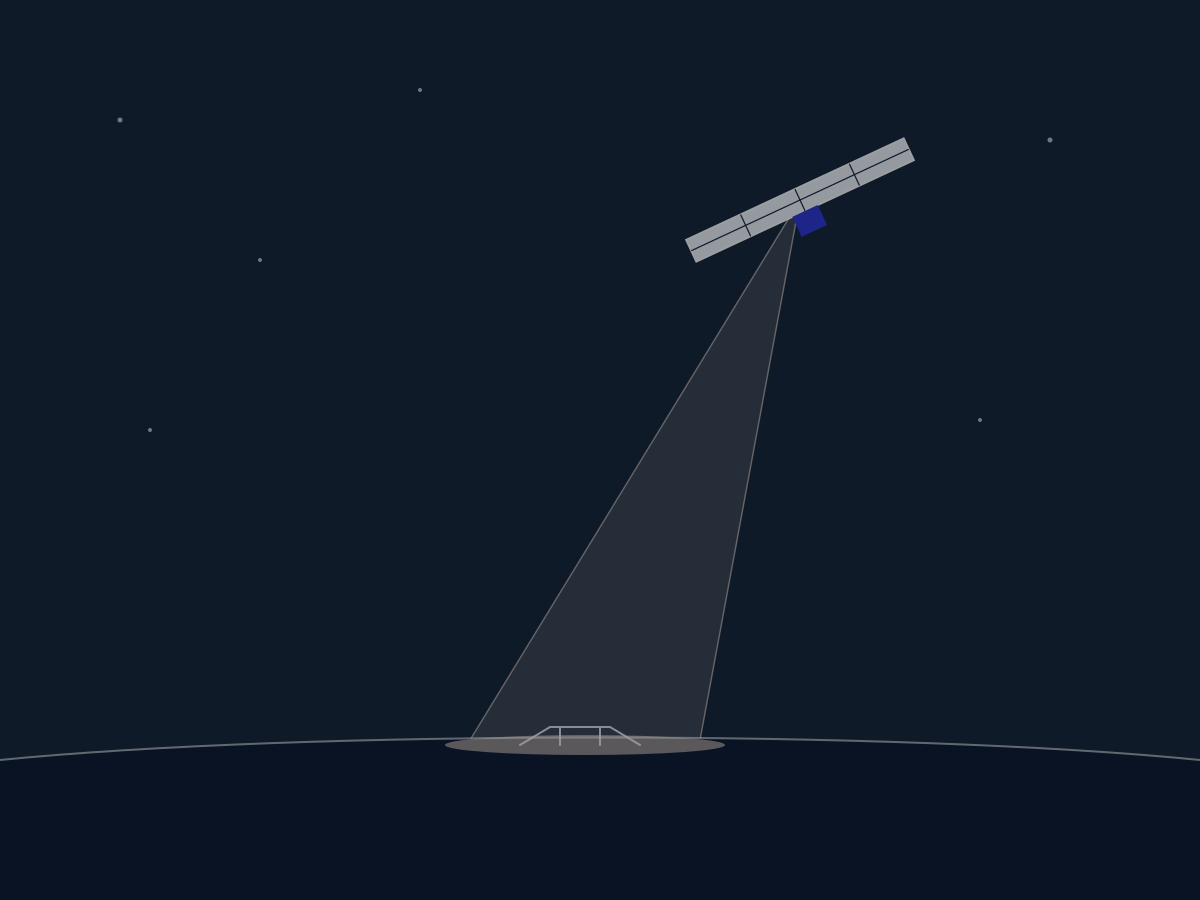
Then a colleague introduced him to Juha-Pekka Pitkänen, a bioprocess engineer who knew about an unusual group of microbes. These bacteria don't need sugar or sunlight. They live on hydrogen and carbon dioxide. NASA had studied organisms like them decades earlier, from the 1960s onwards, as a possible way to feed astronauts on long missions, but the idea never left the laboratory.
Vainikka and Pitkänen asked a simple question: if you can make fuel from air and electricity, why not food? In 2017 the joint research team proved it could be done, and that same year the two founded Solar Foods with four colleagues. In 2018, the Finnish venture firm Lifeline Ventures led an €800,000 seed round.
A giant SodaStream
The process is surprisingly easy to picture. Vainikka likes to call the company's fermenter "a big SodaStream". Inside a steel tank, gases are bubbled through water containing the microbes: carbon dioxide as their source of carbon, hydrogen (made by splitting water with electricity) as their source of energy, and oxygen, plus a few minerals. The bacteria feed and multiply. The harvest is dried into a fine powder called Solein.
Solein is yellowish, thanks to natural pigments, and has a mild taste. By dry weight it is about two-thirds protein, with fibre, fats, and nutrients such as iron and vitamin B12. It can disappear into protein shakes, pasta, ice cream or dairy-free cheese.
The key difference from any farm is what it doesn't need: no farmland, no rain, no growing season, and no animals. In principle, it can be made anywhere there is electricity, from a Helsinki suburb to a desert.
If you can make fuel from air and electricity, why not food?
From lab to factory
A pilot plant followed in 2019, the same year the Finnish food group Fazer invested. In April 2024, Solar Foods opened Factory 01 in Vantaa, just outside Helsinki: the first commercial-scale facility in the world making food this way. It can produce up to 160 tonnes of Solein a year. Each day, that is about as much protein as a dairy farm of 300 cows produces in milk.
The company has also been recognised in space circles, where the idea began. In 2024 it was among the winners of NASA's Deep Space Food Challenge.
That September, Solar Foods listed its shares on the Nasdaq First North Growth Market in Helsinki. In 2025, the founders handed day-to-day leadership to Rami Jokela, a former ABB and Rolls-Royce executive, hired to lead the company's global expansion. Vainikka moved to the board. It was a clear signal: the science phase was over, and the business phase had begun.
The strategy: be the ingredient, not the brand
Solar Foods has no plans to fill supermarket shelves with its own products. Its model is closer to "Intel Inside": it sells Solein as an ingredient to food companies, which put it in their own products. Big food groups, including Fazer and the Japanese company Ajinomoto, have worked with it to test recipes.
This choice matters. Building a consumer brand is slow and expensive. Supplying an ingredient lets Solar Foods borrow other companies' recipes, shelf space and customers, and focus on the one thing nobody else can do: make the protein.
The company has also chosen its first big market carefully. Rather than competing with cheap soy in everyday food, it is targeting sports and performance nutrition in the United States, a huge market for protein powders where people already pay premium prices and care about how their protein is made. Its goal is to match the price of whey protein isolate, the high-quality dairy protein used in many shakes.
Regulators have been the gatekeepers. Singapore approved Solein in 2022, and the first products went on sale there in 2023. In the United States, the first consumer product, a ready-to-mix protein powder made with Solein, launched in May 2026. In Europe, the company is still waiting for its novel food approval, the long safety review every new ingredient must pass.
What has to go right
For now, Solar Foods is a promise more than a profitable business. In the first half of 2026 it reported revenue of around €100,000 and an operating loss of €6.8 million. Its plan depends on Factory 02, a far larger plant designed to produce around 12,800 tonnes a year by 2030, costing hundreds of millions of euros. The company aims to become profitable, measured by EBITDA, in 2030.
Several things need to go right. Electricity makes up about half of production costs, so cheap renewable power is essential. Scaling up fermentation is notoriously difficult. European approval must arrive. And the hardest test of all is human: will people want to eat something made from air, however good it is?
Why it matters
If it works, Solar Foods won't just have launched a new protein powder. It will have shown that food can be made without farmland: in cities, in deserts, in countries that import most of what they eat, and one day perhaps on the way to Mars. Few companies can honestly say they might have invented a new way of making food. This one might have.
Would you eat something made from air?